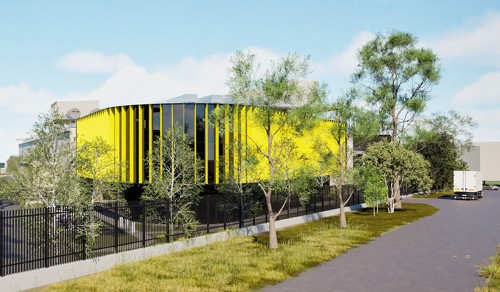
The Maddington data centre is set to provide secure data capacity for government, research, defence and critical infrastructure sectors.
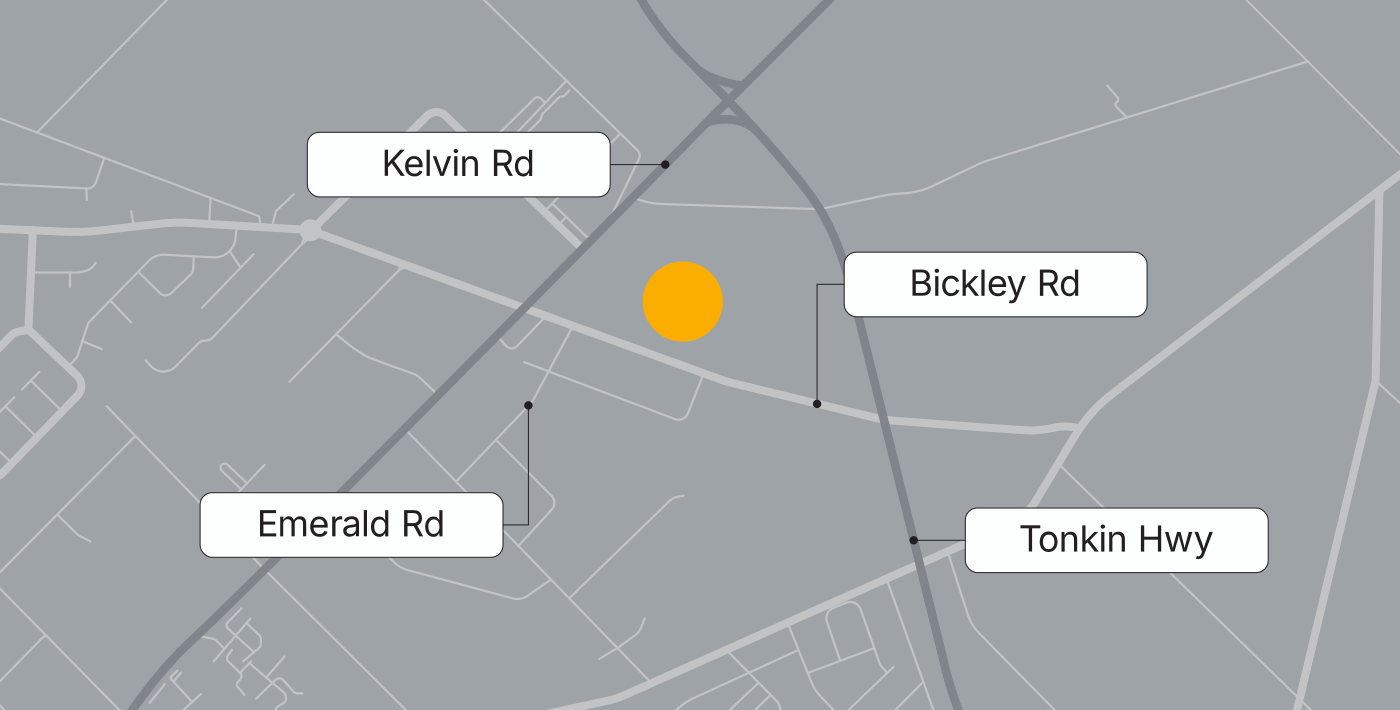
CDC is building a new data centre in the industrial area off Bickley Road in Maddington.
The need for digital services is growing around the world. The data centre in Maddington will help meet this need and give Australians more options for their data to be stored and managed locally.
Designed to operate as a quiet, water-efficient neighbour, the Maddington data centre will be powered by renewable electricity as part of CDC's pathway to net zero.
The project is being delivered in stages, with the first building set to become operational in early 2027.
Once complete, the Maddington campus will consist of four, two-storey buildings up to 24 metres high at their highest points. It will also include the necessary supporting infrastructure such as backup generators, cooling systems and other essential services required to maintain reliable operations.
With construction well underway, the project is already supporting the local economy by creating hundreds of jobs during construction. Additional skilled employment opportunities will be available once the campus is operational. The project will build lasting skills in the community and open the door for the next generation of tradespeople in Maddington.
The Maddington campus is being delivered in stages, with the project timeline for the first of four planned data centres outlined below. As future stages progress, we will provide further information on project timeframes, milestones and construction activities.
Development application approved
Site preparation and early works commenced
Main works commenced
Building fit-out commences
Operations commence
We’ve put together a list of the common questions communities have about our site. We will keep these updated as we learn more about what the Maddington community wants to know.
A data centre is a building that houses powerful computers called servers. These servers store, process and manage the digital information behind everyday services, including online banking, shopping, government services and emergency systems.
CDC only builds in areas that are already zoned for industrial or similar use: we don't build in residential neighbourhoods.
We choose locations based on several practical factors:
We have selected the site within the established industrial precinct off Bickley Road as it complements the existing industrial land uses. It also provides access to the infrastructure needed to support construction and operation.
Locating the facility within an industrial area, on land already owned by CDC, helps minimise potential impacts on surrounding communities and the environment while making efficient use of existing services and transport connections.
We know that what a building looks like matters to neighbours, and we take this seriously.
CDC data centres are designed to be good-looking, long-lasting neighbours. Here's what that means in practice:
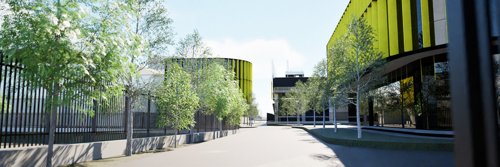
The Maddington data centre will be a purpose-designed, long-term facility that combines high-quality materials, thoughtful landscaping and modern infrastructure to create a secure and functional site.
It will consist of four new buildings, up to 24m in height, housing critical data and technology systems. The data centre will also include supporting infrastructure such as backup generators, cooling systems and other essential services required to maintain reliable operations. In addition, the site will have on-site car parking and office facilities to support day-to-day operations and management of the data centre.
An artist’s impression of the Maddington data centre is provided under the project resources section below.
CDC facilities create jobs during both construction and ongoing operations.
According to economic modelling commissioned by CDC, the entire Maddington campus will support approximately:
CDC is actively recruiting people for well-paid and secure jobs for our data centre operations. Our preference is to always employ people who are local members of the communities to our data centres.
If you are interested or know someone who may be interested in a career with CDC visit Careers
We understand that noise is an important consideration for the Maddington community and have made it a key focus throughout the design development process to date.
The site layout and equipment selection have been carefully considered, and smart acoustic design measures have been incorporated, to minimise potential impacts. As a result, noise generated from the facility once operational, is expected to be comparable to typical suburban background noise levels for the nearby residential area of Orange Grove.
To develop our sites and receive necessary approvals, CDC must meet stringent noise management standards and we usually go well beyond that.
We will continue to meet all relevant statutory noise requirements. Ongoing monitoring and management measures will ensure noise levels remain within approved limits and that the facility continues to operate responsibly within the local community.
CDC is required to have traffic management plans approved as part of our consenting process.
During construction, people and vehicle movements will increase. This will be managed through traffic plans, set routes and safety controls.
Once operational, traffic to our sites is comparatively low relative to other industrial uses.
Once operational, the Maddington data centre will primarily use electricity to power its critical digital infrastructure.
Most of the electricity in a data centre goes to our customers to keep the digital services we all rely on running safely and reliably - things like banking, healthcare, government services, emergency systems, and everyday online tools.
A small amount of electricity is used to keep our security, cooling and control systems online.
CDC’s approach is to use electricity as efficiently as possible, while matching electricity used for our operations with renewable energy.
The Maddington site has been designed to accommodate future energy needs, including space for a new electricity substation. Proposed upgrades and energy usage will be paid for by CDC and will help to maintain the reliability of the local network. Through a focus on energy efficiency and renewable energy, CDC is working towards its commitment to achieve Net Zero emissions by 2030.
Just like hospitals, airports, and emergency services, our data centres are equipped with emergency stand-by diesel generators.
Because our generators run so infrequently, emissions are minimal. We comply with all regulatory air quality requirements, and our generator systems are designed to minimise both noise and emissions.
These generators are not used to power our facilities day-to-day. They are our emergency backup, a safety net to make sure the critical services our customers run (like banking and healthcare systems, emergency and government services) stay online if there's ever a power outage.
We test our generators periodically to make sure they work when needed (this is required by law for critical infrastructure). Given the energy grid is reliable, actual emergency use is uncommon and brief.
CDC connects to the grid at a transmission level and does not interact with the local grid that powers homes and businesses.
In order to connect to the transmission, we pay for and build our own dedicated infrastructure that we then share with the grid operators. We only connect to the grid where there is enough spare capacity so we don’t compete with other users for power.
Once connected, our electricity use is very steady and predictable, unlike other industrial operations that have big spikes in demand. This actually helps the electricity grid remain stable and can lower prices for consumers as we cover a large portion of the existing infrastructure costs.
We work closely with energy regulators and network operators to make sure our connections benefit, rather than burden, the communities where we operate.
You may have read that data centres can use very large amounts of water. This is true for many facilities around the world.
CDC's technology is fundamentally different to the average data centre. Our cooling system is a sealed, closed-loop system. We fill it once when we build the facility and then recirculate it continuously for the life of the data centre. We don't draw water from local supplies on an ongoing basis.
This is different to many data centres that use water to cool their equipment, evaporating it in very large quantities and continuously draw from local supplies.
The Maddington data centre has been designed to minimise water use using this technology.
Beyond cooling, water use at the Maddington data centre will be limited to everyday purposes such as amenities, landscaping and building management, with much of this demand being met through rainwater collected onsite.
We believe in being open, transparent and connected with the communities in which we operate. We will listen to local feedback, share updates on progress and work collaboratively with the Maddington community as the project develops.
We are also committed to supporting stronger communities through partnerships with local organisations that make a meaningful difference. We have a history of supporting local initiatives and community groups, including recently partnering with Mission Australia’s Wattle House in Maddington to provide emergency relief for those experiencing homelessness.
We look forward to working with the Maddington community to identify future opportunities that support local priorities.
The Maddington data centre will operate 24 hours a day, 7 days per week.
Data centre facilities require continuous operation to ensure uninterrupted digital infrastructure services. The site will maintain round-the-clock operational capability, including security, monitoring and essential facility management functions.
While the facility will operate continuously, staffing will vary throughout the day. Most activity will occur during standard business hours, and overnight operations will be limited to essential personnel. Vehicle movements will also generally occur during daytime hours, with after-hours access managed and limited to essential maintenance or emergency activities.
The 24/7 operating model is consistent with the role of the Maddington industrial precinct and the important role data centres play in supporting the digital economy.
We want to hear from the Maddington community.
Local interest in the project is growing as construction progresses. We’re committed to providing clear information, listening to local perspectives and keeping the community informed.
We encourage you to join us at one of our upcoming community information sessions to find out more about the project.
Our Pop-Up Information Sessions are ideal for anyone who would like an overview of the project while they’re out and about.
We have also planned a Drop-In Information Session for people looking for more technical details about the project. Experts will be available to answer questions and discuss specific topics.
You don't need to wait to get in touch. If you have a question or would like to talk to us about the project, you can contact the project team at any time via maddington@cdc.com
We look forward to sharing updates, answering questions and hearing local perspectives as the project progresses.
We have collated a range of resources about the Maddington project. We will keep adding to these throughout the project.
We are committed to ongoing engagement with the local community, including hearing from residents, businesses and community organisations. We want to understand views about the project and to ensure any feedback is considered during planning and design development.